Feel free to contact us for any assistance or inquiries regarding our services.
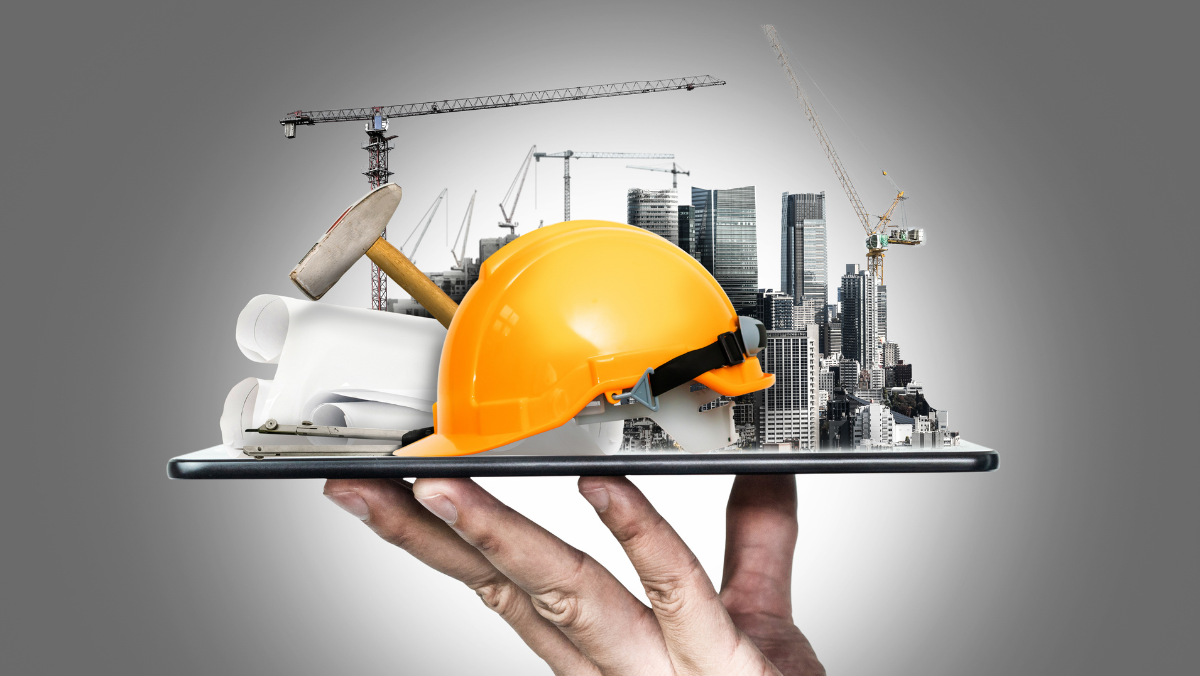
Ever wondered why turnkey construction in Nepal has become so popular? Building a house can be a stressful and time-consuming process, as it involves multiple stages, including planning and design, construction, and post-construction work. Managing separate contractors for each phase often leads to coordination issues, delays, and increased costs. That’s why many homeowners today prefer hiring turnkey construction companies in Nepal for a hassle-free and efficient building experience.
At ST Builders, we provide complete turnkey construction services—from planning and architectural design to construction, finishing, and project handover.
In this guide, we’ll explain what turnkey construction is, how it works, and why it has become one of the most convenient and reliable construction solutions for homeowners in Nepal.
What is turnkey construction?
Turnkey building construction is a comprehensive construction method in which a single contractor manages every stage of a project, from planning and design to construction and final handover. In simple terms, it provides complete construction solutions under one roof, allowing clients to work with a single company throughout the entire building process. Although we can visit the construction site at any time to monitor the project’s progress, we do not need to manage day-to-day construction activities. The turnkey contractor keeps us informed with regular progress updates while taking full responsibility for planning, coordinating, and managing the entire construction process. This allows us to stay involved without the stress of supervising the project ourselves.
Turnkey construction is just one type of construction service available in Nepal. Learn more about the different types of construction companies in Nepal and the services they provide to determine which option best suits your project.
What services are included in a turnkey contract?
A turnkey construction in Nepal includes all the services required to construct a building. This package typically covers 3 phase services:
1. Pre-Construction Phase
This phase is the conceptual and construction preparation phase of a turnkey project, and it includes planning, architectural design, and site inspection works.
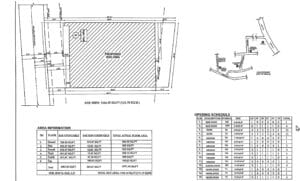
It covers several works:
✔ Project planning and architectural design
✔ Cost estimation and project scheduling
✔ Identification and mitigation of potential risks
✔ Obtaining government permits and approvals
✔ Site condition analysis and soil testing
2. Construction Phase
This phase is the execution and development stage of the project, where a physical structure will be built based on the approved design. Site management, resource allocation, strict budget control, quality assurance, and proper coordination among engineers, contractors, and workers are the key elements of this phase to ensure smooth workflow and timely project completion.
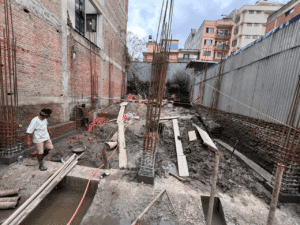
It typically includes:
✔ Site preparation and setup
✔ Excavation and foundation work
✔ RCC structural works, along with brick and masonry construction
✔ Management of laborers, supervisors, and subcontractors
✔ Regular site supervision and progress monitoring
✔ Budget control and tracking construction expenses
✔ Mechanical, electrical, and plumbing (MEP) installations
3. Post-Construction Phase
Post-construction work transforms a newly built project into a fully functional and ready-to-use building. This phase focuses on ensuring quality, safety, and a smooth handover of the project to the client.
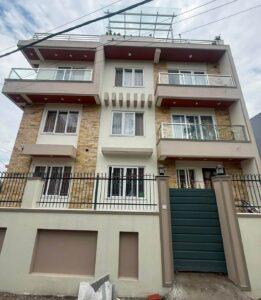
It includes:
✔ Final inspection and quality assurance checks
✔ Defect identification and rectification
✔ Site clearance and removal of debris
✔ Interior finishing and final detailing
✔ Testing of installed MEP systems
✔ Handover of the project along with the necessary documents
✔ Warranty coverage during the Defects Liability Period (DLP)
✔ Post –handover support and maintenance services
Benefits of Choosing a Turnkey Construction Company in Nepal
For a stress-free construction journey, choosing a turnkey contractor can be highly beneficial. It allows us to hand over the entire project to a single builder, ensuring seamless execution with better team coordination, efficiency, and quality control throughout the construction process.
Key benefits include:
• Single Point Contact
Since the entire project is handled by a single builder, there is no need to hire separate architects, engineers, interior designers, or multiple teams of workers. Everything is managed under one roof, ensuring smooth coordination throughout the project. All you need to do is work with a turnkey contractor for a hassle-free construction experience.
• Time-saving process
In a turnkey contract, there is no need to hire separate teams such as engineers, architects, laborers, or subcontractors for different stages of work. This reduces the time spent on recruitment and coordination, allowing the project to start on time.
• Cost control
Turnkey construction in Nepal begins with a detailed written agreement that outlines the estimated total cost of the project. This helps in minimizing unexpected cost fluctuations during the construction process.
• Timely project completion
The project completion deadline is defined during the turnkey contract agreement. This ensures that the project is delivered within the agreed timeframe. Since the entire work is managed under a single contract and coordinated by one team, the construction process becomes more organized, efficient, and smooth, helping ensure timely completion without unnecessary delays.
• Stress-free process
Selecting a turnkey contractor helps ensure a stress-free construction experience, as all aspects of the project are managed by the construction company. A dedicated team of engineers, supervisors, and project managers handle the work while keeping the client regularly informed about the progress.
• Compliance and quality assurance
Turnkey contractors follow all required legal procedures before starting a project, ensuring full compliance with construction regulations and standards. Since their reputation is directly linked to project outcomes, they prioritize the use of high-quality materials and strict quality control measures to ensure the durability, safety, and long-term performance of the structure.
• Warranty and post-construction support
Most turnkey contractors provide a warranty document for a specific period to address any post-construction issues. This warranty is known as the Defects Liability Period (DLP), which begins from the date of final project handover. During this period, the contractor is responsible for fixing any defects or issues that may arise, ensuring the building’s quality, safety, and long-term performance.
Cost of a Turnkey Construction Project
The cost of a turnkey construction project in Nepal depends on several factors such as project size, location, design complexity, quality of materials, finishing standards, and other specific requirements. Typically, the total project cost is calculated based on the per sq. ft. rate, which includes all major construction activities from design to final handover.
Average per sq. ft. cost of a turnkey project:
| Package | Cost (Per Sq. Ft.) | Suitable For |
|---|---|---|
| Basic | Rs. 3,000–4,500 | Budget-friendly residential projects |
| Standard | Rs. 4,500–6,000 | Most residential homes |
| Premium | Rs. 6,000–8,000 | Luxury homes and custom projects |
Time Required for Turnkey Projects
Generally turnkey construction ensures faster completion due to centralized management, but it may take more time because of the project size and complexity. Typically, the average time for project completion is:
| Project Type | Estimated Completion Time |
|---|---|
| Small Residential House | 6–10 months |
| Medium Residential/Commercial Building | 10–14 months |
| Large or Complex Projects | 14–18+ months |
What Are The Differences Between Traditional and Turnkey Construction?
When planning a construction project in Nepal, one of the most important decisions is choosing between traditional construction and turnkey construction. Both approaches have their own advantages and are suitable for different project requirements.
If you prefer complete control over the construction process, traditional construction may be the right choice. On the other hand, if you’re looking for a hassle-free building experience with a single contractor managing everything, turnkey construction is the better option.
The table below highlights the key differences between traditional and turnkey construction to help you make an informed decision.
| Scope | Traditional Construction | Turnkey Construction |
|---|---|---|
| Project Management | The client coordinates architects, engineers, contractors, and suppliers throughout the project. | A single contractor manages the entire project from planning to final handover. |
| Time Efficiency | Can be time-consuming due to the involvement of multiple parties. | Generally faster execution because of centralized project management. |
| Cost Control | Difficult to estimate the total cost because of design changes, material price fluctuations, and additional work. | A fixed total project cost is agreed upon before construction begins. |
| Responsibilities | Responsibilities are shared among different contractors and consultants. | One contractor is responsible for the entire project. |
| Client Involvement | High involvement is required for supervising and coordinating the project. | Minimal involvement is required after project initiation. |
| Changes Flexibility | High flexibility to change designs or materials during construction. | Changes are possible but may affect the project cost and completion schedule. |
| Initial Cost | Lower initial cost but higher chances of future cost variations. | Higher initial cost with little or no future cost deviations. |
| Warranty | No single point of warranty coverage. | Project-wide warranty and post-construction support through the Defects Liability Period (DLP). |
Why Turnkey Construction is Growing in Nepal?
Turnkey construction in Nepal has become increasingly popular due to its convenience, efficiency, and professional project management. Because of professional and personal commitments, people are often unable to regularly supervise and manage construction sites. As a result, they prefer choosing turnkey builders in Nepal who can handle the entire project efficiently on their behalf.
Main reasons why turnkey construction is growing in Nepal:
– Increasing demand for residential and commercial buildings
– Busy lifestyle of homeowners
– Quality assurance by turnkey contractors
– Guaranteed project timeline
– Transparency and communication
– Need for a professional project management team
Conclusion
Turnkey construction in Nepal has become a preferred choice for many homeowners and investors because it offers a complete, hassle-free construction solution under a single contract. From architectural design and planning to construction, interior finishing, and final handover, every stage of the project is managed by one experienced construction company. This eliminates the need to hire and coordinate multiple contractors, saving both time and effort. Whether you’re building a residential or commercial property, choosing a reliable turnkey construction company can simplify the entire construction process and give you greater peace of mind. If you’re still comparing builders, learn more about construction companies in Nepal to evaluate companies, compare quotations, and avoid costly construction mistakes.
Ready to Build Your Dream Project?
Whether you’re planning a new home, commercial building, or renovation project, ST Builders offers complete turnkey construction services—from planning and design to construction and final handover.
Frequently Asked Questions (FAQs)
1. What services are included in turnkey construction?
→ Turnkey construction includes architectural and structural designs, municipal approval, cost estimation, project management, construction work, finishing, and final handover.
2. Why should I hire a turnkey contractor instead of traditional a contractor?
→ Hiring a turnkey contractor can make construction process easy because a single contractor handles the entire project from design to construction. In contrast, with a traditional contractor the client often needs to manage materials, labor, and have to manage the site with regular supervision.
3. Is turnkey construction more expensive than traditional construction?
→ Not always. Turnkey construction may look more expensive at first, but it often includes materials, labor, supervision, and project management under one contract. This can help reduce hidden costs, delays, and the stress of managing everything separately.
4. What are the benefits turnkey construction for homeowners in Nepal?
→ Turnkey construction offers several benefits for homeowners in Nepal, including single point contact, time saving process, cost control, timely project completion, quality assurance, post-construction support, and stress-free construction process.
5. Does a turnkey contractor provide a warranty after construction?
→ Yes, many turnkey contractors provide a warranty for structural work and workmanship after construction. However, the warranty period and coverage vary depending on company and contract.
6. Do I need to visit the site regularly during turnkey construction?
→ No, regular site visits are not always necessary during turnkey construction because the contractor manages the project on your behalf. However, occasional visits can still be helpful to stay informed throughout the construction process.
7. Who is responsible for managing materials and labors in a turnkey project?
→ In a turnkey project, the contractor is generally responsible for managing materials, labor, supervision, and day-to-day construction activities.
Related Blogs
- 15 Common Construction Mistakes Made by Homeowners in Nepal
- Build or Buy a House in Nepal: Which Option Is Better for You?
- Construction Companies in Nepal: Services, Types & How to Choose the Right One
- Interior Design Trends in Nepal
- Modern House Design Trends in Nepal
- Naikap Village Resort Case Study: Commercial Construction in Kathmandu
- Per Sq Ft Construction Cost in Nepal
- Residential Construction Process in Nepal
- Top Qualities of The Best Construction Companies in Kathmandu
Need Help?