Feel free to contact us for any assistance or inquiries regarding our services.
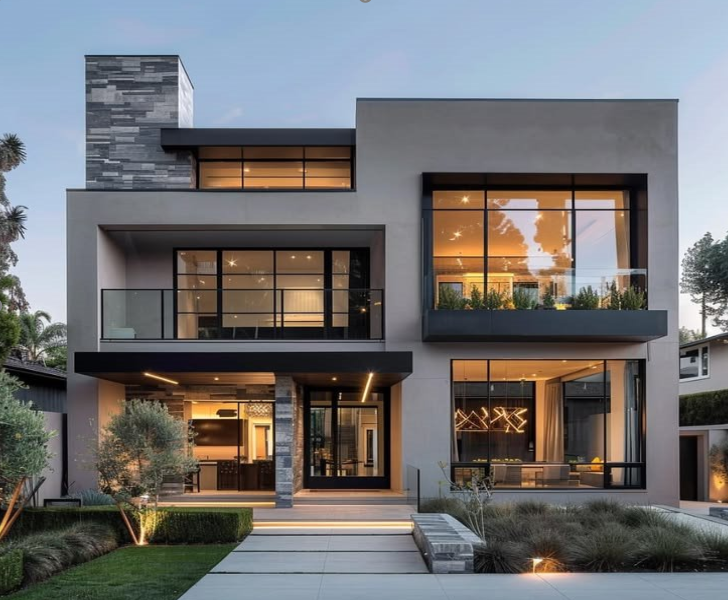
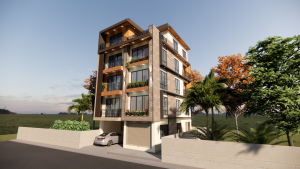
In recent years, we have been noticing a growing interest in modern house design trends in Nepal. The interests of Nepali homeowners is rapidly shifting from traditional house designs to modern architectural styles. People now prefer minimalist aesthetics, open layouts, and smart home functionality in modern residential construction.
In rural areas of Nepal, modern home design is not yet widely adopted. However, due to the high demand for housing in Kathmandu and other urban areas such as Lalitpur, Bhaktapur, Pokhara, and Butwal, homeowners and developers are increasingly shifting toward modern architectural designs. These designs emphasize efficient space utilization, earthquake-resistant RCC structure, natural lighting, ventilation, and aesthetic appeal. Homeowners looking to implement these concepts can explore architectural design services in Nepal to develop a design suited to their land, lifestyle, and budget. Modern house design in Nepal provides practical solutions for maximizing the use of limited land while meeting the evolving needs of urban residents, especially in rapidly growing cities and urban housing projects.
Key Features of Modern House Design in Nepal
• Minimalist Aesthetics
This is a key feature of modern-style home design. Minimalist aesthetics focus on simplicity, clean lines, and visually calm spaces. Unlike traditional designs with overly decorative elements and bold colors, it emphasizes minimal and neutral color palettes such as white, grey, beige, and earthy tones. This style includes fewer decorative elements.
• Open Layouts
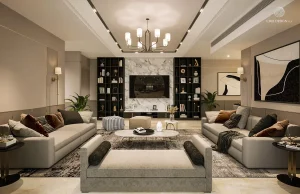
This feature refers to open floor plans in which the functional areas of a home are combined into a large, open space rather than separated by walls. It is commonly seen in the combination of the living area, kitchen, and dining area. Open layouts enhance the flow of natural light and air, which is often blocked by partition walls.
• Large Windows
In modern home design, windows are carefully planned to maximize the use of natural light. Large windows allow natural light to enter the room, reducing the need for artificial lighting during the day. This feature not only enhances aesthetics but also promotes a healthier lifestyle and helps reduce energy consumption.
• Simple and Functional Layouts
Contemporary designs prioritize the efficient use of every space in a building, making it practical, easy to use, and meaningful. This feature focuses on smart home planning and is widely used in urban areas due to limited land availability. Simple and functional layouts transform limited spaces into well-organized areas with a modern visual appearance.
• Sustainable Technology
The use of sustainable technology in homes is becoming increasingly popular in Nepal. It helps reduce environmental impact and promotes eco-friendly living. This feature includes the use of solar panels, water-saving systems, and environmentally friendly construction materials. It also reduces the consumption of artificial energy and lowers long-term maintenance costs.
Latest Modern House Design Trends in Nepal
• Minimalist House Design
Kathmandu is experiencing rapid urbanization, which has led to a continuous increase in building construction activities. As a result, available land for new construction is becoming limited in the Kathmandu Valley. This challenge has significantly increased the demand for minimalist and modern house design in Kathmandu.
Minimalist home design focuses on simplicity, clean lines, and functional spaces. “Less decoration and more functionality” is the key principle of this architectural style. It uses minimal and neutral colors along with open layout plans that enhance aesthetics, natural lighting, and ventilation. This design prioritizes fully functional spaces that are convenient, practical, and easy to use for homeowners.
The demand for minimalist architectural design in urban areas in Nepal is due to several key reasons:
– Functional layouts
– Avoids unnecessary decoration
– Enhances aesthetics and visual appearance
– Maximum natural lights
– Clean and open spaces
• Contemporary House Design
This type of architectural design is flexible and adapts to current trends. It follows evolving styles and uses a combination of materials such as glass, steel, concrete, and modern finishes. Unlike fixed design styles, it is an ever-changing approach that can incorporate modern, minimalist, and even traditional elements. What is trending at the moment is the main focus of this design, and it is typically used in larger and customized houses.
Contemporary house design includes many features of modern architecture, such as open layouts, neutral colors, large windows, clean aesthetics, and flexible design elements.
• Eco-friendly and sustainable homes
Eco-friendly and sustainable home design has become an important part of modern house design trends in Nepal, as people are increasingly concerned about environmental impact. These homes are designed to reduce energy consumption and protect the environment.
Eco-friendly and sustainable homes are gaining attention in Nepal due to rising electricity and resource costs, as well as environmental challenges such as pollution and climate change. These types of homes focus on the use of solar energy systems, water-saving systems, natural lighting and ventilation, sustainable building materials, and overall energy efficiency.
Key Features of Eco-Friendly and Sustainable Homes:
– Use of solar panels to generate renewable energy and reduce electricity costs
– Rainwater harvesting systems for efficient water management
– Use of eco-friendly and locally sourced building materials
– Large windows to maximize natural light and ventilation
– Smart systems and energy-efficient technologies to reduce energy consumption
• Open space living concept
The open space living concept is trending in Nepal due to small land plot sizes. This architectural design combines the living room, kitchen, and dining area into one large, connected space to make the limited area feel clean and visually spacious. This style avoids separate partition walls, as they can make the space feel narrower and block natural light and airflow. This design creates a clean and stylish look, offering a more connected and comfortable environment for homeowners.
Features of open space living:
– Combined living, kitchen, and dining areas
– Minimal or no partition walls
– Maximum use of natural light and ventilation
– Spacious interiors feel even in limited land areas
– Enhanced interaction between family members
• Modern flat roof designs
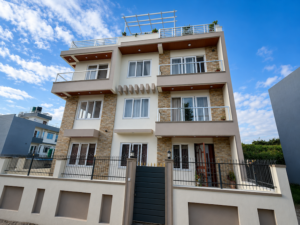
A modern flat roof design is widely used in urban areas like Kathmandu Valley, Pokhara, and Butwal due to its simplicity and functionality. A flat roof is designed as a nearly level surface using an RCC (reinforced cement concrete) structure. Although it appears flat, it is slightly sloped to ensure proper water drainage.
This roof design allows for effective utilization of rooftop space for gardens, seating areas, and solar panel installation. As a result, modern flat roof design has become one of the most widely used architectural styles in Nepal.
Benefits of modern flat roof designs:
– Ideal for limited land availability
– Provides extra usable rooftop space
– Offers a modern and stylish appearance
– Cost-effective construction compared to complex roof designs
• Fusion house design
Fusion architectural design is a popular modern house design trend in Nepal, which combines modern home design elements with traditional architectural styles. In most cases, architects use the functionality of modern design while incorporating the finishing and aesthetic details of traditional design.
Fusion design typically includes traditional elements such as wooden carvings, sloped roofs, and cultural textures. The main focus of this style is to create a balance between modern functionality, cultural identity, and aesthetic appeal. We can clearly see the increasing trend of fusion-style building construction in the Kathmandu Valley.
Key Features of Fusion House Design:
– Combination of modern and traditional architectural styles
– Use of RCC structure with traditional finishing materials
– Visually unique and culturally rich appearance
– Balanced use of modern and earthy color tones
Materials used in modern architectural designs
– RCC: Provides strong structural support and durability
– Glass: Enhance aesthetics and natural lighting
– Steel: Add structural strength and flexibility
– Wood: Decorative element
– Aluminum: Provides clean and modern look
Conclusion
The popularity of modern house design trends in Nepal has grown significantly in recent years. Urban areas such as Kathmandu, Bhaktapur, and Lalitpur are experiencing rapid growth in residential and commercial construction as the demand for living and working spaces continues to increase, especially in the Kathmandu Valley and other major cities. With urbanization expected to continue in the coming years, the demand for innovative, sustainable, and energy-efficient housing solutions will further increase. Architects and designers will continue to develop more functional, space-efficient, and environmentally responsible buildings to accommodate growing housing demands and smaller plot sizes.
Planning to build your modern house in Nepal? Contact ST Builders for expert architectural guidance and a customized design tailored to your needs. Book a free consultation today.
Related Blogs
- 15 Common Construction Mistakes Made by Homeowners in Nepal
- Build or Buy a House in Nepal: Which Option Is Better for You?
- Construction Companies in Nepal: Services, Types & How to Choose the Right One
- Interior Design Trends in Nepal
- Naikap Village Resort Case Study: Commercial Construction in Kathmandu
- Per Sq Ft Construction Cost in Nepal
- Residential Construction Process in Nepal
- Top Qualities of The Best Construction Companies in Kathmandu
- Turnkey Construction in Nepal
Need Help?