Feel free to contact us for any assistance or inquiries regarding our services.
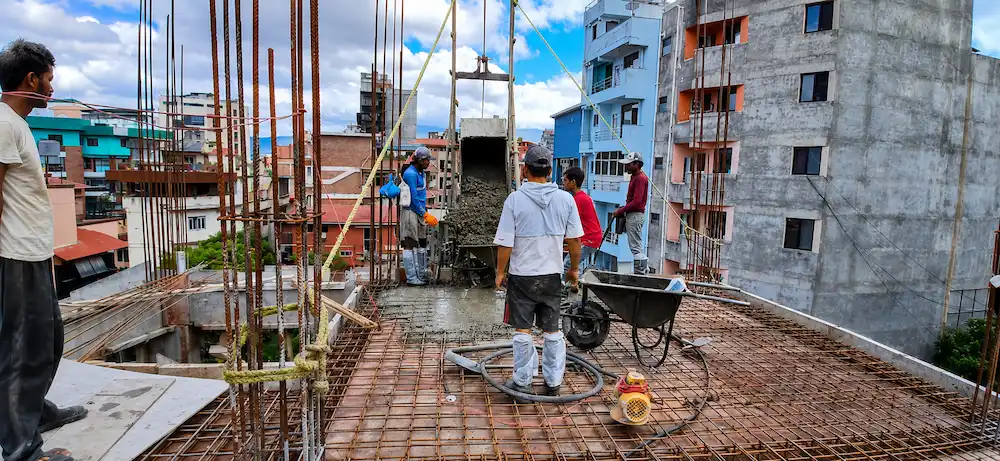
Building a house in Nepal is not only a major financial investment but also a once-in-a-lifetime dream for many families. However, many homeowners make common construction mistakes in Nepal due to a lack of planning, limited technical knowledge, or insufficient understanding of the overall construction process. These mistakes can lead to unnecessary expenses, project delays, poor construction quality, and long-term structural or maintenance issues.
At ST Builders, we have spent more than 30 years working in residential construction in Nepal. During this time, we have seen cases where homeowners spent significantly more money correcting avoidable mistakes such as poor waterproofing, unplanned design changes, and improper material selection.
In this guide, we’ll cover the most common construction mistakes made by homeowners in Nepal before construction, during construction, and after handover—along with practical ways to avoid them.
Why Do Homeowners Make Construction Mistakes in Nepal?
Many homeowners in Nepal make construction mistakes because building a house is often a one-time or first-time experience for them. Most people are not familiar with the technical, legal, financial, and practical aspects of house construction. When there is a lack of proper guidance and limited construction knowledge, homeowners are more likely to make decisions that can lead to delays, extra costs, or long-term structural and maintenance issues.
Some of the common reasons behind construction mistakes in Nepal are:
– Lack of construction knowledge among homeowners
– Selecting contractor solely based on quotation
– Not checking construction standards
– Lack of proper research before construction
– Trying to reduce construction cost by compromising quality
– Poor site management and supervision
– Communication problems between homeowners and contractors
– Ignoring professional advice
– Hiring unqualified and unexperienced professionals
What Are The Common Mistakes to Avoid Before Construction?
1. Budget Estimation Mistakes
One of the most common construction mistakes in Nepal is underestimating the total project budget. Many homeowners prepare their budget based only on the estimated construction cost and fail to set aside a contingency fund for unexpected expenses that may arise during the project.
Several hidden costs are often overlooked in the initial budget, including municipal approval fees, taxes and VAT, soil testing, utility connection charges (water, electricity, and drainage), site preparation, and material price fluctuations. Additionally, many homeowners underestimate the cost of interior finishing upgrades. Choosing premium materials or high-end finishes instead of standard specifications can significantly increase the overall construction cost.
Consequences:
– Financial burden due to unexpected expenses
– Construction delays due to insufficient fund
– Cost related disputes with builder
– Compromised construction quality due to budget shortages
How to avoid:
– Prepare a detailed construction budget including all the direct and indirect costs
– Consider hidden costs such as municipal approval fees, tax and VAT, soil testing, and site preparation costs
– Keep an additional 5–10% contingency fund to cover unexpected expenses and price during construction
– Decide the finishing level (basic, standard, premium) before starting the project
2. Skipping Soil Testing
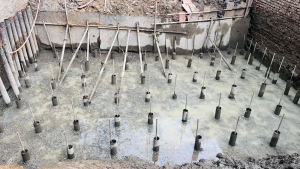
Many homeowners in Nepal skip soil testing to reduce initial construction costs. Since soil testing requires an additional investment and often involves hiring a specialized geotechnical team, some people choose to begin construction without it. However, this can be a costly mistake in the long run.
Soil testing helps determine the soil’s bearing capacity, composition, groundwater level, and other characteristics that are essential for designing a safe and suitable foundation. Starting foundation work without understanding these soil conditions can lead to improper foundation design and increase the risk of structural problems over time. In severe cases, weak or unstable soil can contribute to significant structural damage or even structural failure.
Consequences:
– Incorrect foundation design which may not suit soil conditions
– Uneven foundation settlement
– Cracks in walls, floors, columns, and beams
– Higher repairing and maintenance cost in future
– Shortened lifespan of the building
How to avoid:
– Hire a professional team of geotechnical engineers to conduct soil investigation
– Provide the soil condition report to structural engineer to design the foundation accordingly
– Do not ignore weak or unstable soil conditions identified in the report
– Implement the recommended soil improvement or foundation rectification measures before construction begins
3. Building Without a Detailed BOQ
A Bill of Quantities (BOQ) is one of the most important documents in a construction project. It provides a detailed breakdown of the materials, quantities, specifications, and estimated costs required for the project. A well-prepared BOQ also clearly defines the scope of work, helping homeowners understand what is included and excluded from the construction contract.
However, many homeowners in Nepal start construction without a detailed BOQ. This mistake often leads to misunderstandings between the homeowner and the contractor. Without a BOQ, it becomes difficult to compare contractor quotations, monitor material usage, and ensure the project is completed according to the agreed specifications.
Consequences:
– Lack of clarity about the project’s inclusions and exclusions
– Increased risk of using low-quality materials
– Unexpected expenses leading to budget shortages
– Misunderstanding between client and construction company
– Poor control over quality and costs
– Difficulty comparing quotations from different contractors
How to avoid:
– Request a detailed BOQ from the builder before signing the contract
– Review the BOQ in detail to understand material specifications, quality, and costs
– Ensure it includes the project inclusions and exclusions to avoid disputes
– Use the BOQ to compare quotations from different construction companies
– Monitor the material quality, quantity, and cost based on the approved BOQ
4. Choosing the Builder Based on Low Quotation
Choosing a construction company based only on the lowest quotation is one of the most costly and common construction mistakes in Nepal. Although a low price may appear attractive at first, it often comes with compromises in construction quality, project management, material standards, or hidden costs that become apparent later in the project.
Many homeowners compare only the quoted construction cost without evaluating other important factors such as the company’s experience, completed projects, technical expertise, reputation, legal registration, contract transparency, and after-sales support. Ignoring these factors increases the risk of hiring an unreliable builder who may not be capable of delivering the project as promised.
If you want to discover how to select the right builder for your project, learn about construction companies in Nepal.
Consequences:
– Project delays and missed completion deadlines
– Compromised construction quality
– Unexpected costs due to hidden charges
– Poor project management and supervision
– Use of low-quality materials
How to avoid:
– Choose a construction company based on its experience, quality of work, and overall value rather than the lowest price
– Verify the company’s legal registration, license, and other legal certifications
– Review the company’s portfolio and visit completed sites
– Check client reviews and testimonials
– Compare quotations on the same scope of work
5. Not Signing a Proper Written Contract
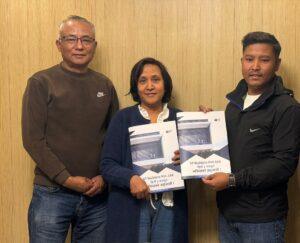
Starting a construction project without a proper written contract is another common construction mistake in Nepal. Many homeowners hire local contractors based on trust and rely only on verbal agreements without documenting the project terms. While this may seem convenient initially, it can lead to serious disputes and misunderstandings later.
A verbal agreement provides little legal protection if disagreements arise regarding construction cost, material specifications, project scope, payment schedule, completion timeline, or quality of work. Without a written contract, it becomes difficult to prove what was originally agreed upon, increasing the risk of unexpected costs, delays, and conflicts between the homeowner and the contractor.
Consequences:
– Construction cost and payment related disputes
– No proof of agreed terms and conditions
– Confusion regarding the scope of work
– No clearly defined project completion timeline
– Unclear roles and responsibilities of both parties
How to avoid:
– Always sign a written contract before starting a project
– Clearly define the scope of work, material specifications, project timeline, and payment schedule
– Ensure both the homeowner and the contractor sign the contract before the project begins
– Make sure both parties agree to all the terms and conditions
– Clearly define the roles and responsibilities of both parties
6. Not Obtaining Municipal Approval
Obtaining municipal approval before starting construction is a mandatory legal requirement in Nepal. However, some homeowners begin construction without securing the necessary building permits, assuming they can obtain approval later. This is one of the most serious construction mistakes, as it can lead to legal complications.
Some people skip the approval process to save time because obtaining building permits can take several weeks. While this may seem like a shortcut, starting construction without municipal approval violates local building regulations and may result in stop-work notices, fines, difficulties obtaining occupancy approval, or even the removal of unauthorized construction.
Before beginning any construction work, ensure that your building drawings and required documents are approved by the respective municipality. Following the legal approval process helps keep your project compliant, avoid fines, and ensures a smoother construction process.
Consequences:
– Violation of municipal building rules and regulations
– Fines and penalties imposed by the local authority
– Stop-work notices
– Legal complications and compliance issues
– Difficulty obtaining the building completion certificate
How to avoid:
– Obtain all required municipal approvals and building permits before starting construction
– Submit all the required architectural, structural, and legal documents to the municipality
– Ensure your building design complies with the applicable municipal building bylaws and setback requirements
– Do not begin excavation or construction until you receive official approval from the municipality
What Are The Common Mistakes During Construction?
7. Frequently Changing the Designs
In our 30 years of experience, we have seen many homeowners request changes to the building design even after municipal approval has been obtained. Even though minor design changes are flexible in Nepal, once the design is approved, any major changes can affect both the architectural and structural drawings, and in some cases may also require revised approval from the municipality. Although certain minor changes may be possible during construction, frequent or significant modifications can create several problems.
Consequences:
– Project delays
– Need for revised municipal approval
– Increase in costs
– Confusion between contractors, engineers, and workers
– Difficulty maintaining the original project timeline and budget
How to avoid:
– Finalize the design before construction begins
–Clarify all your design requirements with the architect during the planning phase
– Avoid making major changes after municipal approval
– Review the approved design carefully before construction and make sure you are satisfied with it
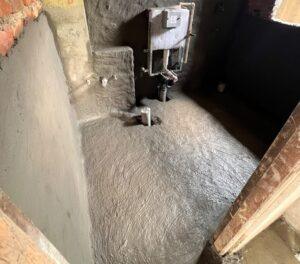
8. Ignoring Waterproofing Requirements
Ignoring waterproofing requirements is another common mistake made by homeowners in Nepal. In many cases, waterproofing is either ignored or not given enough importance by homeowners, often to reduce construction costs or due to a lack of technical knowledge. As a result, critical areas such as roofs, bathrooms, balconies, water tanks, and basements are not waterproofed properly.
Consequences:
– Water leakage from roofs, bathrooms, balconies, or other exposed areas
– Seepage on walls and ceilings
– Damage to paints, plasters, flooring, and interior finishes
– Damage to electrical fittings
– Growth of mold and mildew, which can affect indoor hygiene
– Uncomfortable living due to odor and continuous leakage issues
– The building may start looking old and damaged within just a few years
How to avoid:
– Carry out proper waterproofing treatment on crucial areas such as roofs, balconies, basements, and bathrooms
– Hire a professional technical team for waterproofing
– Check all water supply and drainage fittings properly to prevent leakage, seepage, and hidden water-related issues
– Use suitable waterproofing materials based on the area and level of exposure
9. Not Planning Electrical and Plumbing Layouts Properly
This usually happens when homeowners choose unqualified people to plan the electrical and plumbing system in order to reduce costs. In some cases, construction companies do not involve qualified architects, engineers, or technical professionals in the planning process, which increases the risk of poorly designed layouts. This issue can also arise when homeowners separately hire non-professional workers for layout planning without proper coordination with the main design and construction team.
Consequences:
– Difficulty in future electrical expansion, maintenance, and modification work
– Improper placement of switches, sockets, water supply lines, and drainage lines
– Water leakage, seepage problems, and plumbing issues due to poor pipe layout planning
– Difficulty in modification and maintenance work due to improper fitting locations
– Increased risk of electrical system failure
– Reduced functionality and long-term usability of the building systems
How to avoid:
– Hire qualified and experienced professionals to plan the plumbing and electrical layouts
– Check the alignment and routing of electrical conduits, plumbing lines, drainage pipes, and fixtures to avoid conflicts during construction
– Plan the electrical and plumbing layouts by considering future expansion
– Review the layouts carefully based on room use, future maintenance needs, and practical functionality before finalizing the plan
10. Ignoring the Structural Engineer’s Instructions
Ignoring the structural engineer’s instructions is a serious construction mistake that can put the safety and stability of a building at risk. Some homeowners make changes to structural elements during construction without consulting the structural engineer or understanding the technical consequences. They may request modifications to columns, beams, reinforcement details, or wall locations based on personal preference, space requirements, or cost concerns. However, structural components are designed based on detailed calculations, load requirements, and safety standards. Any unauthorized modification to structural elements can create serious structural safety issues.
Consequences:
– Risk to the overall safety and stability of the building
– Changing the size of beams, columns, or altering reinforcement details can cause serious structural risks
– Structural imbalance or load distribution problems when wall locations are changed without proper technical assessment
– Increased risk of cracks, deflection, structural damage, and weakness
How to avoid:
– Avoid changing structural elements unless it is necessary
– Consult the structural engineer before making any changes to structural elements, reinforcement details, and wall locations
– Check wall locations carefully before construction to avoid unnecessary changes during construction
11. Not Verifying Material Quality During Construction
After signing the contract, the builder usually takes responsibility for procuring the construction materials as specified in the agreement. In many cases, homeowners place complete trust in the contractor and do not verify the quality of materials being used on site. However, this can be a costly mistake.
Homeowners should regularly check whether the materials used during construction match the specifications mentioned in the BOQ (Bill of Quantities) and contract documents. If materials are not verified properly, some contractors may use lower-quality products to reduce costs, which can compromise the strength, durability, and overall quality of the building.
Consequences:
– Use of low-quality materials without the homeowner’s knowledge
– Compromise in the overall strength, durability, and quality of the building
– Higher maintenance and repair costs in the future
– Waterproofing, plumbing, and finishing failures in the future
How to avoid:
– Verify the quality of materials used in construction
– Check whether the materials match the specifications mentioned in the BOQ and contract documents
– Visit the construction site regularly to monitor the materials being delivered and used
12. Poor Site Supervision and Progress Monitoring
Poor site supervision and lack of progress monitoring is another common mistake made by homeowners during house construction in Nepal. Many homeowners hire a turnkey contractor to handle the entire construction process and assume that regular supervision is no longer necessary. As a result, they become less involved once the work begins.
Although a turnkey contractor manages the project from start to finish, homeowners should still visit the site regularly and stay updated on the progress of the work. Regular site visits and communication with the builder help ensure that the construction is moving according to the agreed plan, timeline, and quality standards.
Consequences:
– Construction defects may go unnoticed due to poor supervision
– Risk of not following the agreed plan
– Risk of using materials that do not match the agreed quality
– Misunderstanding between contractor and homeowner due to less involvement in progress monitoring
– Difficulty in tracking progress because of poor supervision
How to avoid:
– Visit the construction site regularly
– Communicate with the builder to stay informed about construction progress
– Review whether the work matches the agreed plan
– Track progress through the various construction phases
13. Skipping Final Inspection Before Handover
In some cases, homeowners do not carry out a proper final inspection before the handover of the building. Many people overlook this step, assuming that the construction work is complete once the physical structure and finishing work are done. However, final inspection is an essential part of the construction process and should never be ignored. A proper final inspection helps identify defects and incomplete work before the building is handed over.
Consequences:
– Electrical faults that become visible only after handover
– Visible cracks, damages, or finishing defects that remain unresolved
– Plumbing leaks and water-related issues that are discovered after occupancy
– Non-functioning systems, fixtures, or fittings that should have been checked before handover
– Additional maintenance and repair expenses after handover due to unresolved defects and incomplete inspection
How to avoid:
– Conduct a detailed final inspection before handover
– Test the functionality of the electrical and plumbing systems
– Check for cracks, damages, unfinished work, or visible defects in the building
– Inspect doors, windows, fixtures, fittings, paintwork, and finishing details carefully
– Prepare a list of defects and ask the contractor to rectify them before handover
What Are The Common Mistakes After Construction?
14. Not Keeping Construction Documents
Once the construction work is finished, many homeowners focus only on taking handover of the house and moving into the building, without paying attention to the important documents related to the project. Documents such as municipal permits and approval papers, construction completion documents, warranty cards for materials and equipment, structural and architectural drawings, and other project-related records should be kept safely by the homeowner.
Consequences:
– Difficulty in carrying out future maintenance and repairs, especially during the defect liability period (DLP)
– Inability to claim product or material warranties without warranty cards and related documents
– Problems during the resale of the building due to missing construction records and approvals
– Complications in legal verification, ownership-related matters, and future renovation work
How to avoid:
– Along with personal ownership documents, collect and keep all municipal approval, permit, and construction completion documents
– Obtain and safely store warranty cards, manuals, and purchase records for all construction materials, fittings, and equipment wherever available
– Collect a construction warranty document from the contractor or construction company to ensure free repair or defect rectification during the defect liability period (DLP)
– Keep copies of structural, architectural, electrical, and plumbing drawings for future maintenance, renovation, or repair work
15. Ignoring Defect Liability Period (DLP)
Ignoring the construction warranty period can cause extra repair expenses for homeowners. Many professional construction companies provide a warranty or defect liability period (DLP) during which defects, damages, and construction-related issues are addressed by the builder according to the agreed terms. However, some homeowners fail to utilize this period properly. They ignore minor issues or delay informing the construction company, assuming that they can fix them later if the problem becomes serious.
Consequences:
– Missing the opportunity to get eligible repairs and defect corrections free of cost during the warranty period
– Additional repair and maintenance expenses after the defect liability period (DLP) ends
– Minor defects becoming major issues due to delayed reporting and correction
– Difficulty in claiming responsibility for construction defects after the warranty period expires
How to avoid:
– Utilize the defect liability period properly by monitoring the building condition after handover
– Report minor issues or damages to the construction company during the warranty period
– Review the warranty document provided by the construction company to understand the terms, conditions, and duration of the warranty period
Construction Mistake Prevention Checklist for Homeowners in Nepal
Before starting your project, make sure you:
✔️ Have a realistic construction budget
✔️ Complete soil testing
✔️ Finalize architectural and structural drawings
✔️ Obtain municipal approval
✔️ Prepare a detailed BOQ
✔️ Sign a written contract
✔️ Select a reliable construction company
✔️ Understand material specifications
✔️ Understand waterproofing requirements
✔️ Plan electrical and plumbing layouts
✔️ Conduct inspection before handover
✔️ Collect all drawings, approvals, warranties, and documents
✔️ Understand warranty and DLP terms
Conclusion
These are some of the most common construction mistakes in Nepal that can be made by homeowners before, during, and after the construction process. Mistakes such as underestimating the construction budget, skipping soil testing, starting construction without municipal approval, ignoring waterproofing requirements, and creating improper layouts can lead to costly consequences in the future. Identifying these mistakes and taking preventive measures from the beginning is essential to ensure the functionality, safety, durability, and long-term stability of the building.
Planning to build a house in Nepal?
Avoid expensive construction mistakes with expert guidance from ST Builders. Our consultation service helps you make informed decisions about design, budgeting, materials, and construction planning.
Frequently Asked Questions (FAQs)
1. What is the biggest mistake homeowners make during house construction in Nepal?
→ Poor budget planning, choosing a builder based on low cost, and starting construction without municipal approval are among the biggest mistakes in Nepal.
2. Can I start construction without municipal approval?
→ No. Construction should only begin after obtaining municipal approvals; otherwise, the project may face fines, penalties, legal compliance issues, and a stop-work notice.
3. Is soil testing mandatory for house construction in Nepal?
→ Although soil testing may not be mandatory for every small residential building in Nepal, it is strongly recommended before starting construction.
4. Why is a BOQ important in building construction?
→ A detailed BOQ is important to understand the quality, quantity, specifications, and estimated cost of materials and construction work.
5. Can I make changes in design during construction in Nepal?
→ Yes, you can make minor design changes during construction in Nepal, but major design changes after municipal approval should be avoided.
6. Is it necessary to sign a written contract before construction?
→ Yes, a written contract must be signed before construction. It helps define the scope of work, material specifications, project timeline, payment schedule, and the roles and responsibilities of both parties.
7. What should homeowners inspect before taking handover?
→ Homeowners should inspect the building for cracks, plumbing leaks, electrical faults, door and window alignment, waterproofing issues, and the functioning of systems and fittings.
8. Is it necessary to keep construction documents?
→ Yes, it is important to keep construction documents for future maintenance, repairs, renovation, warranty claims, legal verification, and resale of the property.
9. How can homeowners avoid construction mistakes in Nepal?
→ Homeowners can avoid construction mistakes by setting a realistic budget, conducting soil testing, starting construction only after obtaining municipal permits, hiring a professional builder, signing a written contract, and carrying out an inspection before handover.
10. What is the defect liability period (DLP) in construction?
→ DLP (Defect Liability Period) is a post-handover warranty period during which the construction company is responsible for rectifying eligible defects and damages in the building according to the contract. In Nepal, the DLP for residential construction commonly ranges from 12 to 24 months, depending on the agreement.
Related Blogs
- Construction Companies in Nepal: Services, Types & How to Choose the Right One
- Interior Design Trends in Nepal
- Modern House Design Trends in Nepal
- Naikap Village Resort Case Study: Commercial Construction in Kathmandu
- Per Sq Ft Construction Cost in Nepal
- Residential Construction Process in Nepal
- Top Qualities of The Best Construction Companies in Kathmandu
- Turnkey Construction in Nepal
Need Help?