Feel free to contact us for any assistance or inquiries regarding our services.
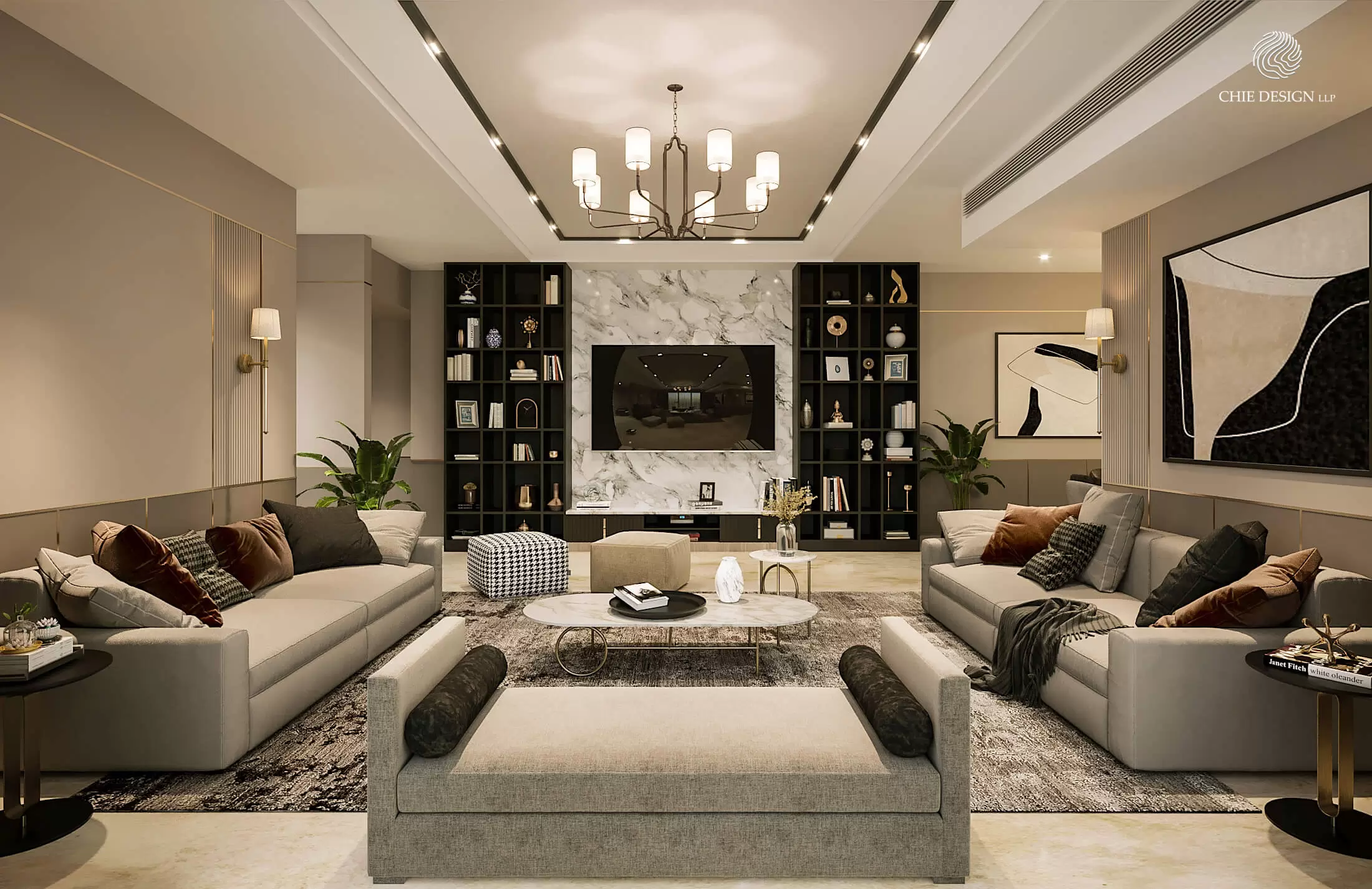
With modernization in construction styles, interior design in Nepal is also evolving. The Nepalese market no longer depends solely on traditional interior designs. Instead, it is embracing modern decoration that is both visually aesthetic and functionally smart. Following the latest interior design trends in Nepal, interior designers are increasingly focusing on minimalist and modern aesthetics, which are highly preferred by most customers.
At ST Builders, we follow a client-centric approach. Since interior design is an important part of any building project, it should be planned alongside construction. If you’re planning a new home or commercial building, our complete guide to construction companies in Nepal – explains the entire construction process, construction costs, and how to choose the right builder in Nepal.
In this article, we will explore the types of interior design and current trends in Nepal, especially in the Kathmandu Valley.
Types of Interior Design Styles in Nepal
There are different types of interior design adopted by people in Nepal. From traditional styles to modern aesthetics—and even a fusion of both—various design approaches are widely used across the country. Nepalese interior design is highly diverse, as people blend traditional decorative styles with modern and contemporary designs.
Mainly used interior design styles in 2026:
1. Traditional Interior Design
This style represents Nepali culture and is commonly seen within the Kathmandu Valley and other parts of the country. Traditional interiors are designed using handmade local decorative elements such as carved wood, bamboo, traditional paintings, and more. As Nepal is divided into three geographical regions—Hilly, Terai, and Mountain—each region has its own unique style of traditional interior decoration.
• Terai
The Terai region interior design is influenced by its warm climate and the diverse cultural traditions of the Madhesi people. It focuses on maximizing natural airflow and ventilation, along with the use of bright and vibrant colors, making it a climate-friendly and culturally rich interior style in Nepal.
• Mountain
The mountain region of Nepal experiences the coldest climate and is strongly influenced by Tibetan interior design styles. It focuses on warmth, insulation, and comfort by using thick wood, heavy textiles, and warm furniture. Dark and earthy color tones are commonly used to retain heat and create a cozy atmosphere. This style prioritizes functionality, comfort, and religious influence rather than decorative aesthetics.
• Hilly
The hilly region covers 42% area of Nepal and has a moderate and balanced climate. Kathmandu Valley, which is also part of the hilly region, is highly influenced by Newari culture. In this area, interior design often includes Paubha paintings, wooden carvings, local artwork, and exposed bricks and timbers. However, in areas outside Kathmandu Valley, different traditional interior styles are commonly used, such as carved stone elements, mud houses, and wooden houses. These designs reflect local materials, culture, and traditional living practices.
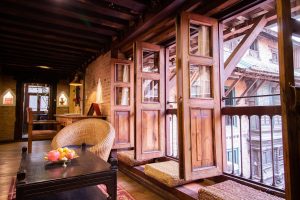
Features:
– Heavy use of carved woods
– Religious and cultural paintings, such as Thangka and Paubha paintings
– Handwoven fabrics like Dhaka
– Use of earthy colors, such as terracotta, brown tones, natural green, stone grey
– Handmade brass and copper decoration items
2. Modern Interior Design
Due to high population density and limited land availability, modern interior design has become increasingly popular in urban areas of Nepal such as Kathmandu, Lalitpur, Bhaktapur, Pokhara, and Butwal.
Modern interior design focuses on simplicity, functionality, and efficient use of space, and is suitable for apartments, urban houses, and rental properties. It typically features neutral color palettes, clean lines, and minimal decoration, creating a neat and organized living environment.
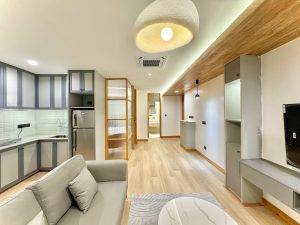
Features:
– Clean lines and simple layouts
– RCC-based foundation and structure
– Focus on the functionality of available spaces
– Use of neutral color palettes
– Modular kitchens and smart storage
3. Minimalist Interior Design
This style focuses on using fewer elements to create maximum functionality. Minimalist interior design follows the “less is more” approach, emphasizing simplicity and clarity in space. It often incorporates multifunctional furniture to reduce clutter and improve storage efficiency. Every corner of the space is designed with purpose, ensuring optimal use of area and better return on investment (ROI).
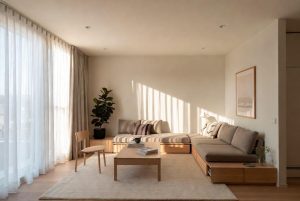
Features :
– Focused on reducing clutter and maintaining simplicity
– Use of monochrome and neutral color palettes
– Multifunctional and simple furniture with clean lines
– Open floor plans that enhance space and light
– Functional design in every corner of the space
4. Contemporary Interior Design
Contemporary interior design follows the latest design trends and evolves over time. Unlike other interior styles, it does not have a fixed set of design rules or decorative elements. Instead, it combines different colors, materials, textures, and finishes in a balanced and sophisticated way. This style emphasizes clean lines, functional layouts, and modern aesthetics while adapting to changing design preferences. Contemporary interior design is widely adopted in urban areas of Nepal, especially in the Kathmandu Valley, for both residential and commercial spaces.
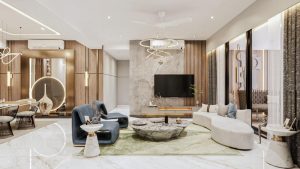
Features:
– Focuses on current design trends
– Evolves with changing styles and preferences
– Combines different materials and textures
– Emphasizes on simple, clean, and functional aesthetics
– Uses a balanced mix of neutral colors and bold accent tones
– Blends aesthetics with practicality for everyday living
5. Luxury Interior Design
Luxury interior design focuses on the use of premium materials, high-quality finishes, and personalized decorative elements. This style follows a customized approach, making it ideal for villas, luxury residences, high-end apartments, hotels, and premium commercial spaces. It incorporates elegant lighting features such as chandeliers, cove lighting, and designer fixtures to create a sophisticated and luxurious ambiance. Carefully selected furniture, rich textures, and attention to detail are the key elements that define luxury interior design.
Luxury interior design is most seen in boutique hotels, luxury resorts, and event venues, while it is less common in residential buildings due to its higher cost and customized approach.
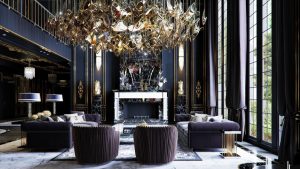
Features:
– Custom-made and designer furniture
– Premium lighting fixtures, including chandeliers, pendant lights, floor lamps, and table lamps
– High-end materials such as marble, natural stone, glass, and metal finishes
– Spacious layouts with large, open living areas
– Luxurious textiles like velvet, silk, cashmere, mohair, and premium leather
– Unique antiques and large sculpture arts
– Personalized design with attention to fine details
6. Fusion Interior Design
Nowadays, fusion interior design is gaining attention in Nepal as it blends traditional aesthetics with modern functionality. Interior designers in Nepal are focusing on creating visually appealing spaces that also offer smart and practical functionality. This style combines cultural elements with contemporary design to achieve a balanced and unique interior look.
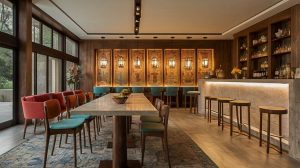
Features:
– Combination of multiple design styles
– Balanced mix of traditional and modern decorative elements
– Flexible and highly creative design approach
– Use of diverse and versatile color palettes
– Unique furniture combinations
– Incorporation of various patterns, textures, and materials
Latest Interior Design Trends in Nepal – 2026
• Minimal and neutral colors tones
One of the biggest interior design trends in Nepal is the increasing use of minimal and neutral color palettes instead of bold and overly bright colors. Designers are now considering color psychology while planning interiors. According to color psychology, neutral and minimal tones create a peaceful environment and help keep the mind calm, compared to strong and vibrant colors. Many people may have experienced this effect, where being in an overly colorful space can feel visually overwhelming and mentally tiring.
Rural areas in Nepal have not yet fully adopted this trend due to the limited availability of professional interior designers. In contrast, there are hundreds of interior designers in Kathmandu, which has significantly contributed to the adoption of modern interior trends in the region. As a result, most newly built buildings in the Kathmandu Valley are designed using neutral color palettes such as grey, beige, white, and other soft earthy tones that create a clean and modern aesthetic.
• Nature Inspired Interiors
This style focuses on incorporating natural elements into living spaces to create a healthy and refreshing environment. The installation of large windows and open layouts helps ensure the smooth flow of natural light and fresh air, which is essential for a comfortable daily lifestyle.
Interior designers in Nepal are increasingly drawing inspiration from nature by integrating indoor plants as decorative and functional elements. This approach not only enhances visual appeal but also promotes well-being and mental peace. Interior design is therefore not just about aesthetics, but also about improving lifestyle quality and creating a calming living environment.
• DIY trends
The DIY (Do-It-Yourself) trend is popular in Nepal, especially among youths. Young homeowners and people living in rental spaces are actively adopting this approach. DIY interior design is preferred because it allows for a personalized touch on a low budget.
Many DIY enthusiasts in Nepal purchase decoration materials from local wholesale markets such as New Road and Ason in Kathmandu. Additionally, small decorative items can also be easily ordered through online platforms like Daraz. If hiring a professional interior designer in Nepal is not within budget, the DIY trend offers an affordable and creative alternative to improve living spaces.
• Eco-Friendly Interior Designs
Eco-friendly interior design is a sustainable approach that is currently trending in Nepal and worldwide. It focuses on using natural, renewable, and non-toxic materials to reduce environmental impact. With increasing environmental and climate awareness, homeowners and designers are shifting toward sustainable materials such as bamboo, wood, and natural fibers.
This design approach emphasizes maximizing natural light and ventilation to reduce energy consumption, along with the use of non-toxic paints and finishes to minimize environmental harm. Energy-efficient lighting solutions, such as LED lights, are also an important part of eco-friendly interior design practices.
• Tech-integrated Interiors
With rapid advancements in technology, interior design in Nepal is increasingly incorporating smart and tech-integrated solutions. From CCTV surveillance systems to home automation, modern technology is transforming the way people design and experience their living spaces. Many homeowners, especially in Kathmandu and other urban areas, are adopting smart security systems, automated lighting, and energy-efficient technologies to improve convenience, comfort, and safety. Features such as automatic doors, motorized curtains, motion-sensor lighting, smart locks, and voice-controlled devices have become popular choices in contemporary interior design. As smart homes continue to gain popularity, tech-integrated interiors are expected to remain one of the leading interior design trends in Nepal.
• Space optimization and multi-functional design
As urban homes and apartments become more compact, space optimization has become a key interior design trend in Nepal. Designers are focusing on creating functional, clutter-free spaces that maximize every square foot without compromising comfort or aesthetics. Curved furniture, round tables, and space-saving layouts help improve movement and make rooms feel more spacious. Multi-functional and foldable furniture, such as sofa beds, extendable dining tables, foldable desks, and storage beds, are also gaining popularity in 2026. These versatile furniture pieces allow homeowners to make the most limited space while maintaining a modern and stylish interior.
• Use of local materials
Nepalese people are reviving the use of local materials and traditional decorative items in their homes. Many now believe that traditional and cultural décor provides a more aesthetic and timeless appeal than purely modern decoration. Instead of choosing completely modern interiors, homeowners are shifting toward a fusion style that combines traditional decorative elements with modern finishes and functionality. Many people shop at Ason and Thamel, as these markets offer antique decorative pieces with cultural and religious significance. This trend not only creates unique and elegant interiors but also supports local artisans and helps boost Nepal’s local markets.
Average Interior Design Cost in Nepal (2026)
Estimated Cost: Interior design costs in Nepal vary depending on the design style, materials, level of customization, and project size. The following prices are average market estimates.
Cost by Interior Type
| Interior Type | Average Cost (NPR/sq.ft.) | Suitable For |
|---|---|---|
| Basic Interior | Rs. 1,000 – 1,800 | Budget homes & rental properties |
| Standard Interior | Rs. 2,000 – 3,000 | Most residential homes |
| Luxury Interior | Rs. 3,500 – 5,000+ | Luxury homes, villas & hotels |
Room-wise Interior Cost
| Area | Average Cost (NPR/sq.ft.) |
|---|---|
| Living Room | Rs. 1,200 – 1,500 |
| Modular Kitchen | Rs. 1,800 – 3,500 |
| Bedroom | Rs. 1,000 – 2,200 |
| False Ceiling | Rs. 120 – 250 |
Even though these are average interior cost ranges in Nepal, the final price may vary depending on several factors such as:
– Materials quality
– Design complexity
– Customization of furniture
– Availability of materials in the market
– Location of the project (outside the valley will cost less)
– Size of the space
Conclusion
Interior design in Nepal is no longer focused only on aesthetics and appearance; it is now centered on convenience, comfort, and functionality. Interior designers in Kathmandu and outside the valley are increasingly emphasizing smart use of space to create meaningful and practical environments for homeowners.
In 2026, a balanced blend of traditional and modern styles is becoming a growing trend, along with the use of local materials that reflect Nepal’s cultural identity while maintaining a modern lifestyle.
Transform your space with expert interior design services in Nepal
From concept to completion, ST Builders delivers innovative, functional, and cost-effective interior solutions tailored to your lifestyle. Our expert team helps you create beautiful and practical spaces with the right design approach, materials, and planning.
FAQs
1. What are the most popular interior design styles in Nepal?
→ Traditional, modern, minimalist, contemporary, luxury, and fusion are the most popular interior design styles in Nepal.
2. Which interior design is best for the small houses?
→ Minimalist and modern interior designs are suitable for small houses because they focus on simplicity, natural lighting, multifunctional furniture, and space utilization.
3. What colors are commonly used in modern interior design?
→ Modern interior design commonly uses neutral color palettes such as grey, white, beige, black, and earthy tones.
4. How much does interior design cost in Nepal?
→ Cost of interior design depends on the design styles, project size, material quality, finishing level, and customization. In general, minimalist and modern design costs less than the highly customized luxury designs. On average, it may ranges form NPR 1000 to NPR 5000 per sq ft.
5. Can I customize the interior design?
→ Yes, interior design can be fully customized according to your space, budget, lifestyle, functional requirements, and personal preferences.
6. Can I do DIY interior design?
→ Yes, you can do DIY interior design for small projects such as decorating room, choosing paint colors, arranging furniture, and adding decorative elements.
7. How can I create nature-inspired interior design?
→ To create nature-inspired interior design use natural materials, earthy color tones, wooden furniture, natural light, stone finishes, and indoor plants.
8. Can I mix two interior styles in one home?
→ Yes, you can mix two interior styles if they are balanced properly. You can combine modern and traditional design elements or contemporary and luxury design elements to create a personalized design.
9. Does the interior design style affect renovation and maintenance cost?
→ Yes, it affects both renovation and maintenance cost because different styles require different materials, furniture, finishes, lighting, and decorative elements, which can increase or reduce the overall cost.
10. How can I find a professional interior designer in Nepal?
→ To find a professional interior designer in Nepal, start by checking the company’s portfolio, past projects, design style, and client reviews and also ask the company about their working process, project timeline, and material knowledge.
Related Blogs
- 15 Common Construction Mistakes Made by Homeowners in Nepal
- Build or Buy a House in Nepal: Which Option Is Better for You?
- Construction Companies in Nepal: Services, Types & How to Choose the Right One
- Modern House Design Trends in Nepal
- Naikap Village Resort Case Study: Commercial Construction in Kathmandu
- Per Sq Ft Construction Cost in Nepal
- Residential Construction Process in Nepal
- Top Qualities of The Best Construction Companies in Kathmandu
- Turnkey Construction in Nepal
Need Help?