Feel free to contact us for any assistance or inquiries regarding our services.
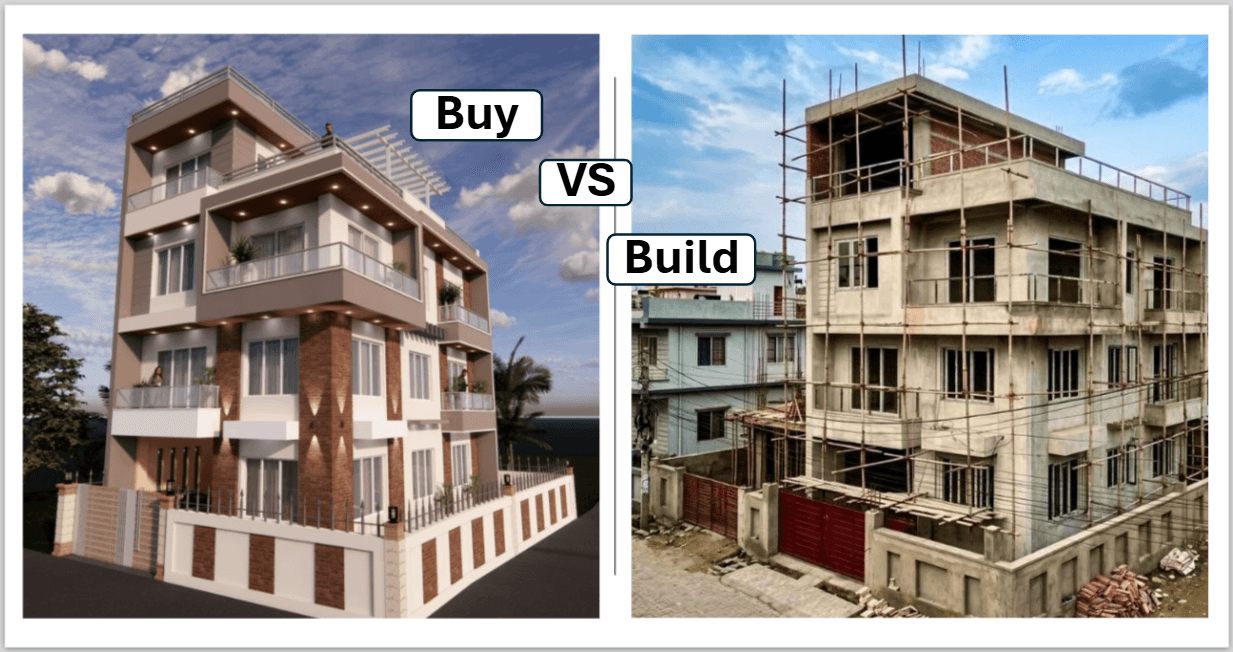
Are you confused about whether you should build or buy a house in Nepal? You’re not alone. For many homebuyers, this is one of the biggest financial decisions they will make, and there is no one-size-fits-all answer.
Some people believe that building a house is cheaper than buying one, while others prefer buying a house because it can save time and reduce the responsibilities involved in construction. In reality, both building and buying a house have their own advantages and disadvantages. The better option depends on your budget, location, timeline, lifestyle, and how much control you want over your home.
To help homeowners make an informed decision, ST Builders, with more than 30 years of industry experience, has prepared this guide to explain the key differences between building vs. buying a house in Nepal. By the end of this guide, you’ll have a clearer idea of whether building or buying a house is the right choice for you.
What’s the Difference Between Building vs. Buying a House in Nepal?
Building and buying a house are two completely different processes, even though both ultimately lead to the same goal: owning a home. When you build a house, you usually have more control over the design, materials, layout, and construction quality. When you buy a house, you purchase an already-built property and can generally move in sooner.
The main differences come down to cost, time, customization, control, involvement, and risk. Here’s a quick comparison:
| Factor | Build a House | Buy a House |
|---|---|---|
| Time | Takes several months | Move in sooner |
| Customization | Fully customizable | Limited customization |
| Control | More control over design and materials | Limited control |
| Cost | Paid in construction stages | Paid as a property purchase |
| Involvement | Requires more time and supervision | Requires less involvement |
| Risk | Delays and budget overruns | Hidden defects and overpricing |
Build vs Buy: Advantages and Disadvantages
Both building and buying a house have their own advantages and disadvantages. Understanding the pros and cons of each option can help you make the right decision based on your budget, needs, and preferences.
1. Customization
Build: Advantage
This is one of the main advantages of building a house. You can customize your home according to your needs, requirements, and preferences. You can choose the architectural design, layout, finishes, materials, and functionality of the house.
Buy: Disadvantage
Limited customization is one of the disadvantages of buying a pre-built house. Since you are purchasing an existing property, you have to accept its existing design, layout, finishes, and features. You can make changes through renovation, but major modifications may require additional time and cost.
2. Time
Build: Disadvantage
Building a house takes time to complete, so you cannot move into your new home immediately. You need to wait for the construction process to be completed, which can take several months depending on the size and complexity of the house.
Buy: Advantage
One of the main benefits of buying a pre-built house is that you can move in much sooner. Once the purchase and handover process is completed, you can move into the house without waiting for the construction process.
3. Involvement
Build: Disadvantage
Building a house requires more time and involvement from the homeowner. You may need to make decisions throughout the construction process and regularly monitor or supervise the site. This can be a limitation for homeowners who have limited time.
Buy: Advantage
Buying a pre-built house generally requires less involvement in the construction process. You mainly need to focus on finding the right property, checking its condition and documents, and completing the purchase process. You do not need to spend time supervising construction.
4. Quality Control
Build: Advantage
Building a house gives you greater control over its quality. You can select the materials according to your requirements and budget and monitor the quality of materials and workmanship throughout the construction process.
Buy: Disadvantage
When buying a pre-built house, you have limited control over the materials and construction methods used. You cannot change the materials that have already been used, so it is important to inspect the property carefully and check its construction quality before buying.
5. Cost
Build – Advantage:
When building a house, you can manage the construction cost by choosing materials, finishes, and specifications according to your budget. However, unexpected expenses can arise during construction due to design changes, material price increases, additional work, or unforeseen site conditions.
Buy – Disadvantage:
When buying a house, you may be able to negotiate the property’s asking price with the seller. However, there may be less flexibility to reduce the price significantly. You also need to consider additional costs such as registration fees, taxes, legal fees, and possible renovation or repair expenses.
6. Payment Terms
Build – Advantage:
When building a house, construction payments are generally made in stages as different phases of the project are completed. You do not necessarily have to pay the entire construction cost at once. This can make it easier to manage your cash flow and reduce the immediate financial burden.
Buy – Disadvantage:
When buying a house, the initial financial requirement can be higher because you may need to arrange a large amount for the property purchase. Although some properties may offer installment or financing options, the upfront cost can still be a significant financial burden, especially when the land and house are purchased together.
7. Land Requirement
Build – Disadvantage:
To build a house, you need to own suitable land. If you already have suitable land, you can proceed with the construction process. However, if you do not own land, you first need to find and purchase a suitable plot for your project. The land cost is separate from the construction cost, and it can vary significantly depending on factors such as location, road access, land size, and surrounding infrastructure.
Buy – Advantage:
When you buy a pre-built house, the land and house are generally purchased together as one property. You do not need to separately search for and purchase land before buying the house. However, the land cost is already included in the property’s total purchase price.
What Costs Are Involved in Building a House in Nepal?
Building a house involves several stages, and each stage may have its own costs. The total investment is not limited to the construction of the main building. Depending on your project and requirements, the costs may include:
– Land purchase cost
– Architectural and structural design fees
– Municipal approval and permit fees
– Construction cost
– MEP design and installation costs
– Interior and finishing costs
– Boundary wall, gate, lawn, garden, and other external works
– Water, electricity, and other utility connection costs
– Project management and supervision costs
– Unexpected and additional expenses
What Costs Are Involved in Buying a House in Nepal?
Buying a house in Nepal is generally a simpler and faster process than building one from scratch. However, the purchase price is not the only expense you may need to consider. Depending on the property and how you finance the purchase, you may have to pay additional government charges, documentation fees, loan-related costs, and expenses for repairs or renovations.
The main costs involved in buying a house in Nepal may include:
– House and land purchase price
– Legal registration and property transfer charges
– Applicable taxes and government fees
– Legal and documentation fees
– Property valuation and verification costs
– Real estate agent or brokerage fees, if applicable
– Bank processing and other loan-related charges, if taking a home loan
– Renovation and repair costs, especially when buying an older house
– Interior upgrades and furnishing costs
– Utility transfer or connection charges
– Moving and relocation expenses
– Other unexpected or additional expenses
Is It Cheaper to Build a House in Nepal?
In Nepal, building a house can generally be more cost-effective than buying a comparable ready-made house. If you compare houses of similar size, in the same location, and with similar construction specifications, building your own house will generally cost a little less than buying a comparable ready-made house. This is because, when you build, you have more control over the design, materials, construction specifications, and overall budget.
However, in some situations, buying a house may offer a better deal, particularly when the property is being sold below its usual market value. For example, you may find opportunities such as:
• Bank-auctioned properties: Banks may auction properties to recover outstanding loans, and some properties may be available at competitive prices.
• Distressed-sale properties: Owners facing financial difficulties may sell their property quickly, sometimes at a lower price than comparable properties.
• Properties sold due to relocation: Owners moving abroad or to another location may be willing to negotiate the price to complete the sale quickly.
A Real Cost Comparison: Build vs Buy a House in Nepal
To understand the actual financial difference between building and buying a house, let’s compare two similar 3-storey houses in Harisiddhi, Lalitpur, on 4 aana of land.
The building-cost example is based on a real ST Builders project, while the buying example represents a comparable completed property. The actual cost of a house can vary depending on location, land price, design, construction quality, finishing, property condition, and applicable government fees.
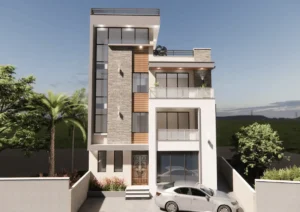
Build:
House built by ST Builders for a homeowner in Nepal.
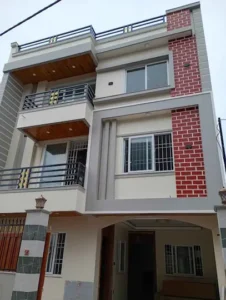
Buy:
Completed house available for purchase through a real estate property in Nepal.
| Cost Component | Build a House | Buy a House |
|---|---|---|
| Land | NPR 1.52 crore | Included |
| Land/property registration | NPR 7.60 lakh | NPR 16.25 lakh* |
| Architectural design | NPR 1 lakh | — |
| Structural engineering | NPR 3.45–9.20 lakh | — |
| Naksa pass | NPR 80,000 | — |
| Construction | NPR 1.15 crore | Included |
| Boundary wall & gate | NPR 10 lakh | Included/Existing |
| Documents & verification | NPR 5,000–20,000+ | NPR 5,000–20,000+ |
| Contingency | NPR 5.75 lakh | — |
| Estimated Total | ~NPR 3.03–3.09 crore | ~NPR 3.42–3.46 crore |
*Actual registration and related property transaction costs may vary depending on the property value, location, applicable rates, and other government requirements.
This comparison shows that building a house can cost less than buying a comparable completed property, as demonstrated by this particular example. In this case, the estimated difference is approximately NPR 33–43 lakh in favor of building.
Thinking About Building a House in Nepal?
If you already own land and are considering building your own home, ST Builders can help you plan your project—from design and cost estimation to construction and finishing. Get professional guidance and discuss your requirements with our team.
What Are The Risks Involved in Building vs Buying a House in Nepal?
» Risk of building a house
• Project delays
Labor shortages, material unavailability, unfavorable weather conditions, and contractor negligence can delay your construction project.
• Budget overruns and unexpected expenses
Unexpected expenses can arise due to additional work, design changes, unforeseen site conditions, and fluctuations in material prices. As a result, your actual construction cost may exceed the initial budget.
• Material price hikes
The prices of construction materials can fluctuate during the construction period. A rise in the prices of materials such as cement, steel, bricks, or finishing products can increase your overall construction cost.
• Wrong contractor selection
Choosing an inexperienced or unreliable construction company may lead to poor workmanship, project delays, and lower overall construction quality. It can also result in additional repair costs and unexpected expenses.
• Weather conditions
Monsoon and unexpected weather conditions can create difficulties during house construction in Nepal. This can be especially challenging in areas with difficult road access, where heavy rainfall can disrupt the transportation of construction materials and delay the project.
» Risk of buying a house
• Low-quality materials
When buying an already built house, it can be difficult to determine the quality of the materials used during construction. In some cases, builders may use lower-quality materials to reduce construction costs, and these issues may not be obvious during a normal property inspection.
• Overpricing
Some property sellers may ask for a higher price than the property’s actual market value. Before buying a house, you should compare similar properties in the same area and evaluate factors such as the land value, house condition, age, and location.
• Structural safety issues
When buying an already built house, it can be difficult to determine whether proper materials, structural design, and construction practices were used. Hidden structural defects may become noticeable only after you move into the property.
• Repair costs
If you buy an older house, the initial purchase price may be lower. However, hidden repair and renovation costs may arise in the future, especially for areas such as plumbing, electrical systems, waterproofing, roofing, and interiors.
• Document and ownership related disputes
Property buyers may face problems if the property’s ownership, land boundaries, or other legal documents are unclear or inaccurate. In some cases, incomplete or fraudulent documents can lead to ownership disputes and legal complications after the purchase.
What Things Should You Check Before Building vs Buying a House?
Whether you are building or buying a house, you have to check several important factors to ensure the property is safe, legally compliant, financially suitable, and worth your investment.
Before Building a House
Before starting house construction, you should carefully evaluate the land, legal requirements, design, contractor, budget, and construction process. Important things to check include:
– Land and site conditions
– Soil conditions
– Building laws and setback requirements
– Architectural and structural design
– Land ownership and municipal approvals
– Construction company’s experience and portfolio
– BOQ and cost estimate
– Construction contract
– Construction timeline
– Quality control and site supervision
– Contingency fund
Before Buying a House
Before buying a house, you need to ensure that the property is safe to live in and that its ownership and legal documents are properly verified. You should also check the property’s location, boundaries, construction quality, and other important factors before making a purchase.
Important things to check include:
– Land ownership documents
– Building permits and approvals
– Construction completion certificate
– Road access
– Location of the property
– Tax clearance
– Structural defects and issues
– Property boundaries and area
– Construction materials and quality
Build vs Buy: Which Option Is Better for You?
The better option depends on your budget, available time, land ownership, desired level of customization, and willingness to manage the construction process.
Build a House If:
✓ You want a customized design
✓ You want control over the materials and construction quality
✓ You have enough time to manage the construction process
✓ You want to supervise the construction site yourself
✓ You already own a suitable piece of land
✓ You are comfortable managing contractors, budgets, and construction decisions
Buy a House If:
✓ You want to move into a house quickly
✓ You do not own land
✓ You do not want to deal with construction-related stress
✓ You have enough budget to purchase a suitable house
✓ You find a house at a reasonable market price
✓ You have found a property that meets your needs in terms of location, quality, design, and legal status
Ready to Explore Your House Construction Options?
If building a house is the right choice for you, talk to ST Builders about your land, design requirements, budget, and construction plans. Our team can help you understand the process and plan your project with greater clarity.
Summary
Generally, building your own house can cost less than buying an existing house, especially if you already own land and can manage the construction process effectively. If you are comfortable coordinating contractors and labour and can handle the time and stress involved in construction, building can be a better option.
However, if you want to move in immediately and avoid the stress of managing construction, buying an existing house may be the better choice for you.
Frequently asked questions
1. Which option is cheaper, build or buy?
→ Building a house can cost less if you already own land and are willing to invest your time and effort in the construction process. However, buying can sometimes be more affordable if you find a property below its market value, such as a bank-auctioned property, distressed sale, or a house being sold quickly by an owner relocating abroad.
2. How long does it take to build a house in Nepal?
→ It generally takes 8–12 months to build a medium-sized house with standard finishes in Nepal. However, the timeline can vary depending on the location, design complexity, land area, project size, weather conditions, availability of materials, and municipal approval process.
3. What costs should I consider when building a house in Nepal?
→ You should consider land purchase cost, land registration fees, architectural and structural design costs, municipal approval fees, construction costs, boundary wall and gate costs, interior and finishing costs, documentation expenses, and a contingency budget for unexpected expenses.
4. Are there extra costs when buying a house?
→ Yes. The purchase price is not always the only expense when buying a house in Nepal. You may also need to pay for property registration, document preparation and verification, legal or professional fees, and repairs or renovations if the house requires them.
5. What are the advantages of buying a house?
→ The main advantages of buying a house are that you can move in immediately, avoid the stress of managing construction, and save the time required to build a house.
6. What are the benefits of building your own house?
→ The main benefits of building your own house are that you can customize the design according to your needs, have greater control over the quality of materials and workmanship, and supervise the construction site yourself.
7. Can I save money if i build my own house?
→ Yes, you can potentially save money by building your own house, especially if you plan your budget carefully, compare material and labor costs, and supervise the construction properly.
Related Blogs
- 15 Common Construction Mistakes Made by Homeowners in Nepal
- Construction Companies in Nepal: Services, Types & How to Choose the Right One
- Interior Design Trends in Nepal
- Modern House Design Trends in Nepal
- Naikap Village Resort Case Study: Commercial Construction in Kathmandu
- Per Sq Ft Construction Cost in Nepal
- Residential Construction Process in Nepal
- Top Qualities of The Best Construction Companies in Kathmandu
- Turnkey Construction in Nepal
Need Help?